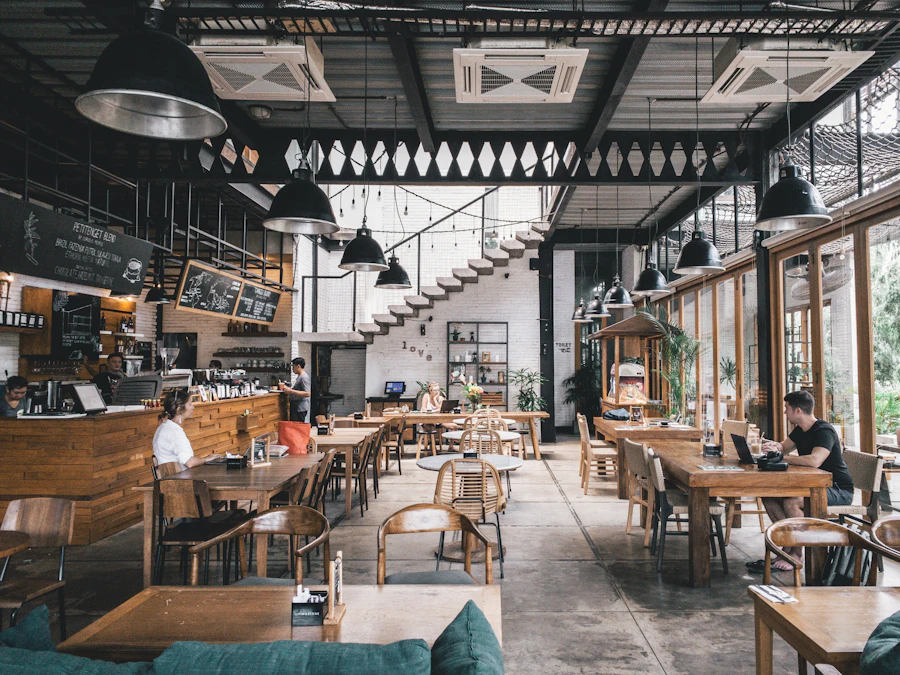
Packaging Support for Franklin Foodservice Businesses
Franklin food businesses serve a mix of downtown customers, office lunches, schools, and neighborhood delivery orders, so durable carryout packaging matters.
Common requests from Franklin businesses include hinged takeout containers, paper shopping bags, hot cups, cold cups, lids, napkins, cutlery kits, pizza boxes, catering trays, tamper-evident labels, and custom branded packaging.
We are based in Milford, MA and support Franklin along with nearby areas including Milford, Franklin, Bellingham, Mendon, Hopkinton, Holliston, Medway, Upton, and nearby Massachusetts communities.
Foodservice Packaging Photos
Packaging Options for Franklin, MA
Takeout and delivery packaging for restaurants and cafés.Containers and supplies for daily service and catering orders.Branded packaging helps customers remember your restaurant.
Food containers for restaurants, cafes, caterers, delis, and meal prep businesses.
Packaging for Restaurants, Cafes & Food Trucks in Franklin
We support foodservice businesses with practical packaging options including takeout containers, paper bags, disposable plates, bowls, cups, lids, utensils, napkins, pizza boxes, catering packaging, and custom branded supplies.
Restaurant Packaging Supply for Franklin, Massachusetts Food Businesses
Franklin restaurants serve a mix of residential neighborhoods, commuters, school and college activity, office parks, retail traffic, and nearby family communities. That blend makes dependable takeout packaging especially important for quick lunches, weeknight dinners, catered events, coffee service, pizza delivery, bakery orders, and grab-and-go meals.
Restaurant Packaging Supply helps local operators build a packaging program that matches the menu, protects food during pickup and delivery, supports brand presentation, and keeps ordering practical. The goal is not simply to buy boxes and bags. The goal is to choose packaging that works during the busiest part of service, reduces leaks and complaints, supports food quality, and helps staff pack orders consistently.
Whether you run a pizzeria, sandwich shop, café, bakery, deli, ice cream shop, food truck, catering company, prepared-food counter, or full-service restaurant with takeout, the right packaging mix can make daily operations easier. A strong packaging plan also makes ordering more predictable because staff know which container, lid, bag, cup, label, and insert should be used for each menu item.
Packaging by Business Type in Franklin
Different foodservice businesses have different packaging priorities. A pizza shop needs boxes that stack well and protect heat. A bakery needs boxes that show presentation without damaging delicate products. A café needs reliable cups, lids, sleeves, napkins, bags, and pastry containers. A caterer needs packaging that can travel, hold temperature, and support setup at events. Below are practical recommendations by business type.
Pizza Shops and Italian Restaurants
Pizza restaurants usually rely on a consistent set of corrugated pizza boxes, slice boxes, paper bags, portion cups, foil containers, deli containers, napkins, and labels. For delivery, boxes should be easy to stack and strong enough to protect the product during transport. For pasta, wings, salads, subs, and sides, operators often need a mix of vented containers, aluminum pans, clear deli containers, and tight-fitting lids.
Italian restaurants and pizzerias should also consider packaging for family meals and catering trays. A separate catering packaging setup can reduce confusion during large orders and make it easier to send meals to offices, schools, churches, athletic events, and private functions.
Cafés, Coffee Shops, and Breakfast Spots
Cafés need packaging that supports speed and presentation. Hot cups, cold cups, lids, sleeves, pastry bags, sandwich wrap, bakery boxes, napkins, stirrers, and handled paper bags are common essentials. Breakfast sandwiches, muffins, pastries, salads, yogurt cups, and cold beverages each need different packaging, so the best system is usually a small set of repeatable items rather than too many rarely used sizes.
For coffee shops, branding matters. Custom labels, branded bags, printed cups, and coordinated packaging can make a simple order feel more polished. Even when a business is not ready for fully custom cups, stickers and labels can create a more professional look at a lower starting point.
Bakeries and Dessert Shops
Bakeries need packaging that protects appearance. Cake boxes, cupcake inserts, cookie boxes, pastry boxes, bakery bags, window boxes, labels, and seasonal packaging all play a role. A damaged pastry or crushed cake is more than a packaging problem; it becomes a customer experience problem. That is why bakery packaging should be selected around product height, icing, decoration, transport distance, and whether the item will be refrigerated.
Dessert shops, ice cream shops, and specialty food businesses may also need portion cups, lids, spoons, clear containers, freezer-friendly packaging, and tamper-evident options. Presentation is especially important for products that customers may photograph or bring to gatherings.
Delis, Sandwich Shops, and Prepared Food Counters
Delis and prepared food counters commonly need food containers, clear deli cups, soup containers, salad bowls, sandwich wedges, wrap paper, labels, bags, gloves, utensils, and cold-case packaging. Clear packaging can help customers see prepared foods, while leak-resistant lids are essential for soups, sauces, pasta salads, and marinated items.
For grab-and-go programs, consistency is important. Labels should be easy to apply, containers should stack well in coolers, and the packaging should make the product easy to identify. A good packaging system can help prepared foods look more organized and reduce handling during busy periods.
Food Trucks, Pop-Ups, and Seasonal Vendors
Food trucks and pop-up kitchens need compact packaging that stores easily and moves quickly during service. Operators often prefer containers that can handle multiple menu items, stack neatly, and close securely. Space is limited, so every item needs to earn its place: primary containers, bags, napkins, cutlery, sauce cups, cups and lids, gloves, labels, and a small backup supply of catering or large-order packaging.
Because food truck customers often eat outside, in vehicles, at events, or while walking, packaging must be easy to carry and sturdy enough for real-world use. Leak resistance, one-hand carrying, and a clean presentation matter more than many new operators expect.
Caterers and Event Kitchens
Caterers need a different packaging plan from daily takeout restaurants. Aluminum pans, foil lids, serving trays, chafing supplies, disposable serving utensils, plates, napkins, cutlery, cups, beverage supplies, labels, and transport-friendly packaging are often required. The best catering packaging makes setup easier for staff and makes food look organized when it arrives.
For Franklin caterers serving office lunches, family events, school events, church functions, and private parties, packaging should be chosen around travel time, portion size, food temperature, and whether the customer will serve immediately or hold the food for later.
Core Product Categories for Franklin Restaurants
Most foodservice businesses need a dependable core of packaging products. The exact mix depends on menu and volume, but the categories below cover the most common needs for restaurants and food businesses in the Franklin area.
Printed bags, labels, stickers, cups, boxes, wraps, and other packaging that reinforces your restaurant brand.
Restaurant Packaging Buying Guide
A useful packaging buying guide starts with the menu. Hot entrées, fried foods, pizza, salads, soups, desserts, drinks, catering trays, and prepared foods all perform differently in packaging. A container that works well for a cold salad may trap steam around fried food. A bag that works for a light pastry order may fail with several hot entrées and drinks. Choosing packaging by menu category prevents many common takeout problems.
Match the package to the food temperature. Hot foods need packaging that can handle heat, steam, weight, and travel time. Vented lids or breathable packaging can help fried foods stay closer to their intended texture. Tight-fitting lids are better for saucy foods, soups, gravies, and meals that need leak protection. Cold foods often benefit from clear containers because customers can see freshness and presentation before opening the package.
Think about delivery distance. A pickup order that travels five minutes has different needs from a delivery order that sits in a vehicle for twenty minutes. For delivery-heavy restaurants, packaging should be stackable, easy to bag, and resistant to crushing. Containers should fit securely in bags without tipping, and drink carriers should be selected around real order patterns.
Standardize where possible. Too many container sizes can create staff confusion, storage problems, and higher costs. Many restaurants can cover most of their menu with a small group of carefully chosen containers. Standardization also helps when training new staff because the packing process becomes easier to repeat.
Consider customer experience. Packaging should open cleanly, hold food properly, reduce spills, and make the order feel professional. A well-packed order creates confidence before the first bite. For restaurants competing on delivery apps or repeat takeout orders, packaging is part of the meal.
Plan for growth. A restaurant that starts with plain packaging may later add custom labels, printed bags, branded pizza boxes, or seasonal packaging. Building the packaging program in stages lets the business control costs while improving presentation over time.
Starter Packaging Checklist for New Franklin Restaurants
New food businesses often order too much of one item and not enough of another. A practical starter checklist helps avoid stockouts without filling the storage area with products that do not move. For many restaurants, the first packaging order should include primary meal containers, one or two bag sizes, napkins, cutlery, portion cups, labels, cups and lids if beverages are sold, gloves, paper towels, and menu-specific items such as pizza boxes, bakery boxes, soup containers, or catering pans.
Before ordering, estimate how many orders per day will be dine-in, takeout, delivery, catering, and grab-and-go. Then match packaging quantities to the highest-use categories. A breakfast café, for example, may use more cups, sleeves, pastry bags, and sandwich wrap, while a dinner restaurant may use more entrée containers, paper bags, deli cups, and tamper-evident labels.
Primary meal containers for your top-selling items
Secondary containers for sides, sauces, soups, salads, and desserts
Paper bags or handled bags sized for typical orders
Napkins, cutlery, portion cups, labels, and drink supplies
Specialty packaging for pizza, bakery, catering, or grab-and-go items
A plan for reordering before inventory gets critically low
Nearby Communities We Serve from the Franklin Area
Foodservice demand does not stop at the town line. Many restaurants, caterers, and mobile food businesses serve customers across several nearby communities. Restaurant Packaging Supply helps operators in Franklin and surrounding areas source consistent packaging without having to rebuild their supply list for every location or event.
Milford — Milford restaurants and caterers use packaging for pizza, takeout, delivery, bakery items, prepared foods, and custom branded pickup orders.
Bellingham — Bellingham foodservice businesses can use practical wholesale packaging for quick-service restaurants, cafés, delis, and family meal takeout.
Medway — Medway operators often need containers, bags, cups, labels, and catering packaging for local customers and nearby events.
Mendon — Mendon restaurants and caterers benefit from organized packaging plans for regular service, private events, and seasonal food demand.
Holliston — Holliston cafés, bakeries, restaurants, and prepared-food sellers can use consistent packaging to improve takeout presentation.
Hopkinton — Hopkinton businesses can source pizza boxes, paper bags, catering supplies, food containers, and branded packaging for busy local service.
Upton — Upton restaurants and mobile vendors can use compact, efficient packaging systems for takeout, pop-ups, and events.
Worcester — Worcester restaurants and institutions may need higher-volume ordering, broader product mixes, and more structured packaging programs.
Wholesale Ordering and Cost Control
Packaging touches the margin on every takeout, delivery, catering, and grab-and-go order. Buying wholesale can lower the cost per item, but the bigger advantage is consistency. When a restaurant uses the same container, bag, lid, and label for the same menu item every day, staff work faster and customers receive a more predictable order.
Cost control does not always mean choosing the cheapest package. The least expensive option can become costly if it leaks, crushes, creates refunds, or makes food look lower quality. A better approach is to choose packaging that meets the food's needs at the right price point. For some items that means a basic container. For high-margin dishes, catering, bakery items, or branded pickup orders, it may make sense to use more polished packaging.
Restaurants can also reduce waste by choosing products that work across multiple menu items. For example, one deli container size may cover sides, sauces, and desserts. One paper bag size may cover most lunch orders. One label format may work for tamper evidence, branding, and order identification. These decisions make ordering easier and reduce clutter in storage areas.
Custom Printed Packaging for Franklin Restaurants
Custom printed packaging helps a local restaurant look established and memorable. Printed paper bags, custom stickers, branded labels, pizza boxes, coffee cups, sandwich wrap, bakery boxes, and catering labels can all help customers remember the business after the meal. For restaurants that receive repeat takeout orders, office lunch orders, social media photos, or catering referrals, packaging can become a quiet but effective marketing tool.
Not every business needs to start with a large custom print run. Many operators begin with labels or stickers, then move into printed bags or boxes when volume supports it. This staged approach lets a restaurant improve presentation without taking on too much inventory at once.
Eco-Friendly and Practical Packaging Options
Many Franklin food businesses want packaging that feels more responsible, but eco-friendly packaging should still perform during real service. Paper-based, recyclable, compostable, molded fiber, and reduced-plastic options can all be useful, depending on the food and customer expectations. The best option is the one that balances durability, food quality, budget, disposal realities, and brand image.
For hot foods, the package must tolerate heat and moisture. For saucy foods, leak resistance matters. For cold grab-and-go items, clarity and seal quality may be more important. A practical sustainability plan may involve switching some categories first, such as bags, bowls, or fiber containers, while keeping other items based on performance requirements.
Franklin Packaging Selection Table
Use this quick reference when deciding which packaging categories to quote first. The best mix depends on your menu, storage space, order volume, and whether most orders are dine-in, takeout, delivery, catering, or grab-and-go.
Foodservice Business
Recommended Packaging
Why It Matters
Pizza shops
Pizza boxes, slice boxes, paper bags, labels, napkins
Keeps pies protected, supports delivery, and creates a consistent brand experience.
Cafés and coffee shops
Hot cups, cold cups, sleeves, carriers, bakery bags, sandwich wrap
Supports morning rushes, office orders, and grab-and-go customers.
Delis and prepared-food counters
Food containers, deli containers, portion cups, tamper-evident labels
Improves visibility, portion control, and customer confidence.
Saves space and keeps service fast during high-volume windows.
Franklin Wholesale Ordering Tips
Restaurants in Franklin can often lower packaging costs by standardizing container sizes across multiple menu items. For example, a bowl that works for rice dishes, salads, and prepared meals may be more valuable than three separate specialty containers. The same is true for bags, portion cups, lids, and labels. A simplified packaging lineup is easier for staff to learn, easier to store, and easier to reorder before a rush.
When requesting a quote, include your most common menu items, estimated weekly order volume, desired container sizes, and whether you need custom printing. This helps match the product to your service model rather than simply choosing the cheapest item. The lowest-cost package is not always the best value if it leaks, crushes, looks poor, or creates customer complaints.
Frequently Asked Questions About Restaurant Packaging in Franklin
Do you supply restaurant packaging in Franklin, MA?
Yes. Restaurant Packaging Supply supports Franklin restaurants, cafés, bakeries, pizzerias, delis, caterers, food trucks, and commercial kitchens with wholesale food packaging and related disposable supplies.
Can I request wholesale pricing?
Yes. Foodservice businesses can request pricing for bulk quantities, recurring orders, starter packaging packages, and custom printed packaging.
What products should a new restaurant order first?
Most new restaurants begin with a focused mix of takeout containers, paper bags, napkins, cutlery, portion cups, cups and lids, labels, gloves, and menu-specific packaging such as pizza boxes, bakery boxes, or catering pans.
What packaging is best for delivery orders?
Delivery packaging should be sturdy, stackable, leak resistant, and appropriate for the food temperature. Vented packaging helps fried foods, while tight lids are important for soups, sauces, pasta, rice dishes, and prepared meals.
Do you offer pizza boxes?
Yes. Pizza packaging can include corrugated pizza boxes, slice boxes, liners, labels, and related supplies for takeout and delivery.
Do you sell paper takeout bags?
Yes. Paper bag options may include kraft bags, white bags, handled bags, SOS bags, grocery-style bags, and custom printed bags.
Can you help with custom branded packaging?
Yes. Custom options may include printed bags, stickers, labels, cups, pizza boxes, bakery boxes, sandwich wrap, and other brand-forward packaging.
Do you carry bakery packaging?
Yes. Bakery packaging may include cake boxes, pastry boxes, cookie boxes, cupcake containers, bakery bags, window boxes, labels, and seasonal packaging.
What packaging works for catering?
Caterers commonly use aluminum pans, foil lids, serving trays, chafing supplies, utensils, beverage cups, labels, disposable tableware, and heavy-duty bags or boxes for transport.
Are eco-friendly packaging options available?
Yes. Depending on the menu and budget, we can discuss paper-based, fiber-based, recyclable, compostable, and reduced-plastic packaging options.
Can you help reduce packaging costs?
Yes. Standardizing sizes, buying in bulk, choosing multi-use containers, and avoiding unnecessary specialty items can reduce cost per order and simplify inventory.
Do you work with food trucks and pop-ups?
Yes. Food trucks and pop-up kitchens often need compact, stackable, fast-service packaging that performs well without taking up too much storage space.
How should I choose between clear plastic and paper containers?
Clear containers improve visibility for cold foods and grab-and-go items, while paper and fiber containers are often preferred for hot meals, bowls, and eco-conscious presentation. The best choice depends on the food and service style.
Can I use the quote form for multiple product types?
Yes. Include product types, sizes, approximate quantities, whether the order is recurring, and any custom branding details.
How do I request a quote?
Use the quote form on the page or call (508) 392-6937 with the products, sizes, quantities, delivery needs, and custom printing requirements you have.
Do Franklin restaurants need different packaging for third-party delivery?
Often, yes. Third-party delivery orders may sit longer and travel farther than counter pickup orders, so sturdier containers, better lid fit, tamper-evident labels, and bags that hold shape can make a noticeable difference.
Can custom labels be used before ordering fully custom printed boxes or bags?
Yes. Labels and stickers are a practical first step for many Franklin restaurants because they add branding without requiring the larger minimums often associated with fully printed packaging.
What information should I include when asking for Franklin restaurant packaging pricing?
Include the type of restaurant, menu items, container sizes, approximate monthly volume, delivery or pickup needs, storage limitations, and whether you want plain stock packaging or custom branded packaging.
Ready to Improve Your Franklin Packaging Program?
Whether you are opening a new restaurant, replacing unreliable packaging, preparing for catering growth, adding delivery, or looking for custom branded supplies, Restaurant Packaging Supply can help you choose a practical product mix. Call (508) 392-6937 or use the quote form to request pricing on wholesale restaurant packaging, food containers, paper bags, pizza boxes, cups, lids, catering supplies, bakery packaging, and custom printed products.
Need Packaging Supplies in Franklin?
Contact us for product availability and wholesale pricing.
Need wholesale restaurant packaging, custom branded bags, takeout containers, paper bags, cups, boxes, or food service supplies? Complete the form below and we will follow up with pricing.